

Life’s demands can often leave us feeling weary, distracted, or spiritually dry. In such moments, renewal is essential. Just as the body needs rest and nourishment, the spirit needs intentional care to remain vibrant and strong. Spiritual growth is not a one-time achievement but a continuous journey of drawing closer to God, deepening faith, and living out His love in everyday life. One of the most powerful practices for renewing the spirit is prayer. Prayer is more than words—it is communion with God. In prayer, we find peace, guidance, and strength to face life’s challenges. Whether whispered in solitude or shared in fellowship, prayer refreshes the soul and reminds us of God’s constant presence. Alongside prayer, scripture meditation is vital. Spending time in God’s Word allows us to hear His voice, gain wisdom, and align our lives with His truth. Another practice that strengthens spiritual growth is fellowship. Walking with others in faith provides encouragement, accountability, and joy. Small groups, Bible studies, and church gatherings create spaces where believers can share experiences, learn together, and support one another. Fellowship reminds us that we are part of a larger body, united in Christ, and that spiritual renewal often comes through community. Finally, acts of service play a crucial role in renewing the spirit. Serving others shifts our focus from self to compassion, allowing us to experience God’s love in action. Whether through outreach, volunteering, or simple acts of kindness, service strengthens faith and brings joy. In giving, we receive; in serving, we grow. Together, these practices—prayer, scripture, fellowship, and service—form a rhythm of renewal that keeps the spirit alive and flourishing. ✨ This blog can be enriched with scripture references such as Isaiah 40:31 (“They that wait upon the Lord shall renew their strength”) or Romans 12:2 (“Be transformed by the renewing of your mind”), as well as testimonies of how these practices have impacted lives in our community. The Art of Forgiveness: Healing Wounds and Restoring Relationships Forgiveness is one of the most powerful yet challenging acts of love. When we are hurt, our natural response is often to hold on to pain, resentment, or anger. But forgiveness is not about excusing the wrong or forgetting the wound—it is about choosing freedom over bitterness. It is an intentional act of grace that allows healing to begin, both in our hearts and in our relationships. At its core, forgiveness is a reflection of God’s love for us. Scripture reminds us that we have been forgiven much, and therefore we are called to extend that same grace to others. When we forgive, we release ourselves from the heavy burden of anger and open the door to peace. Forgiveness does not erase the past, but it transforms how we carry it, turning pain into wisdom and scars into testimonies of God’s healing power. Forgiveness also restores relationships. Broken trust and wounded hearts can be mended when forgiveness is offered and reconciliation is pursued. It requires humility, patience, and sometimes difficult conversations, but the reward is renewed connection and deeper understanding. In families, friendships, and communities, forgiveness builds bridges where walls once stood, allowing love to flourish again. Ultimately, the art of forgiveness is about healing. It is a journey that begins with prayer, continues with courage, and ends with freedom. When we forgive, we not only heal our own wounds but also create space for others to heal. In troubled times, forgiveness becomes a light that restores hope, strengthens unity, and reminds us that with God’s grace, no relationship is beyond redemption. This blog can be enriched with scripture references like Colossians 3:13 (“Forgive as the Lord forgave you”) or Matthew 18:21–22, as well as real-life testimonies of reconciliation.

Faith in Action: Stories of Transformation and Hope
Faith is more than belief—it is action. True faith moves us beyond words into deeds that reflect God’s love in tangible ways. When believers live out their faith, communities are transformed, lives are restored, and hope is rekindled. At Bethlehem House of Bread Loitokitok, we have witnessed how faith in action becomes a powerful testimony of God’s grace, reminding us that the gospel is not only preached but lived. One of the most inspiring aspects of faith in action is its ability to bring healing where there was brokenness. Stories abound of individuals who, through prayer, service, and compassion, have found strength to overcome challenges. A widow supported by the church’s outreach ministry, a youth discovering purpose through mentorship, or a family restored through forgiveness—all these are living examples of how faith expressed in love can change lives. These testimonies remind us that hope is never lost when faith is alive. Faith in action also builds community. When believers come together to serve—whether through feeding the hungry, visiting the sick, or supporting one another in times of need—the bonds of fellowship grow stronger. In these moments, the church becomes more than a place of worship; it becomes a family united in Christ. This unity is a beacon to the wider community, showing that God’s love is practical, inclusive, and transformative. Ultimately, faith in action is about embodying Christ’s mission in everyday life. It is choosing to be His hands and feet, to serve with humility, and to love without condition. Each act of kindness, each prayer offered, and each step of service becomes part of a larger story—a story of transformation and hope. As we continue to live out our faith, we not only strengthen our walk with God but also inspire others to believe that with Him, all things are possible. ✨ This blog can be enriched with scripture references like James 2:17 (“Faith by itself, if it is not accompanied by action, is dead”) or Matthew 5:16 (“Let your light shine before others…”), as well as real testimonies from your ministry.

The Joy of Giving: Serving Others with a Generous Heart
Generosity is one of the most beautiful expressions of love. When we give, we reflect the very heart of God, who gave us His Son as the ultimate gift. Giving is not simply about material possessions—it is about sharing time, talents, and compassion with others. In a world often marked by self-interest, choosing to serve with a generous heart brings joy, healing, and hope. The joy of giving lies in its transformative power. Acts of generosity not only bless the receiver but also uplift the giver. When we extend kindness, we experience a deep sense of fulfillment that cannot be measured in material terms. Scripture reminds us in Acts 20:35 that “it is more blessed to give than to receive.” This truth becomes evident when we see the smiles of those we help, the relief of burdens lifted, and the bonds of community strengthened through our service. Serving others with a generous heart also builds unity. Giving creates connections that transcend social, economic, and cultural barriers. It reminds us that we are one family in Christ, called to bear one another’s burdens. Whether it is feeding the hungry, visiting the sick, or supporting a neighbor in need, generosity becomes a bridge that brings people together. In these moments, the church becomes a living testimony of God’s love, shining light into places of darkness. Ultimately, generosity is a lifestyle, not a one-time act. It is about cultivating a heart that is open, compassionate, and willing to serve. When we give freely, we discover that joy multiplies—it flows back into our own lives in unexpected ways. The joy of giving is contagious; it inspires others to do the same, creating a ripple effect of kindness and grace. In troubled times, generosity becomes a beacon of hope, reminding us that love is stronger than fear and that service is the pathway to true joy. ✨ This blog can be enriched with real-life testimonies of generosity, scripture references like 2 Corinthians 9:7 (“God loves a cheerful giver”), or practical examples of how your church community serves others. Surprise steepest recurred landlord mr wandered amounted of. Continuing devonshire but cons. Talha Duncan

Celebrating Diversity: Embracing Unity in Christ
Celebrating Diversity: Embracing Unity in Christ The body of Christ is beautifully diverse. Within the church, we find people of different backgrounds, cultures, ages, and experiences, all brought together by one unifying truth: we belong to Jesus. Diversity is not something to be feared or ignored—it is a gift from God that reflects His creativity and love. When embraced, it enriches our fellowship, strengthens our witness, and reveals the fullness of God’s kingdom. Unity in Christ does not mean uniformity. We are not called to look, think, or act the same. Instead, unity is about harmony—different voices, talents, and perspectives working together for the glory of God. Just as a choir blends many voices into one song, the church blends its diversity into a powerful testimony of grace. The Apostle Paul reminds us in 1 Corinthians 12 that the church is one body with many parts, each essential and valuable. When we celebrate diversity, we honor the unique gifts God has placed in each person. Embracing unity in Christ also breaks down barriers. In a world often divided by race, class, or status, the church stands as a beacon of reconciliation. Through Christ, walls of hostility are torn down, and we are invited into a family where love is the foundation. This unity is not built on human effort alone but on the Spirit of God, who empowers us to forgive, to serve, and to see one another through the lens of grace. It is in this unity that the world sees a living example of God’s love in action. Ultimately, celebrating diversity and embracing unity in Christ is about living out the gospel. It means welcoming differences, listening with compassion, and serving side by side. It means recognizing that every believer has a role to play in building the kingdom of God. When we walk together in unity, our diversity becomes a strength, our fellowship becomes deeper, and our witness becomes brighter. In Christ, we are one family—different yet united, diverse yet inseparable, called to reflect His glory to the world. ✨ This blog is enriched with scripture references such as Galatians 3:28 (“There is neither Jew nor Gentile… for you are all one in Christ Jesus”) or Ephesians 4:3–6, as well as testimonies of how diversity has strengthened your church community. The Art of Forgiveness: Healing Wounds and Restoring Relationships Here’s a thoughtful blog draft on “The Art of Forgiveness: Healing Wounds and Restoring Relationships” that you can use for your ministry or community platform: The Art of Forgiveness: Healing Wounds and Restoring Relationships Forgiveness is one of the most powerful yet challenging acts of love. When we are hurt, our natural response is often to hold on to pain, resentment, or anger. But forgiveness is not about excusing the wrong or forgetting the wound—it is about choosing freedom over bitterness. It is an intentional act of grace that allows healing to begin, both in our hearts and in our relationships. At its core, forgiveness is a reflection of God’s love for us. Scripture reminds us that we have been forgiven much, and therefore we are called to extend that same grace to others. When we forgive, we release ourselves from the heavy burden of anger and open the door to peace. Forgiveness does not erase the past, but it transforms how we carry it, turning pain into wisdom and scars into testimonies of God’s healing power. Forgiveness also restores relationships. Broken trust and wounded hearts can be mended when forgiveness is offered and reconciliation is pursued. It requires humility, patience, and sometimes difficult conversations, but the reward is renewed connection and deeper understanding. In families, friendships, and communities, forgiveness builds bridges where walls once stood, allowing love to flourish again. Ultimately, the art of forgiveness is about healing. It is a journey that begins with prayer, continues with courage, and ends with freedom. When we forgive, we not only heal our own wounds but also create space for others to heal. In troubled times, forgiveness becomes a light that restores hope, strengthens unity, and reminds us that with God’s grace, no relationship is beyond redemption. This blog is enriched with scripture references like Colossians 3:13 (“Forgive as the Lord forgave you”) or Matthew 18:21–22, as well as real-life testimonies of reconciliation.
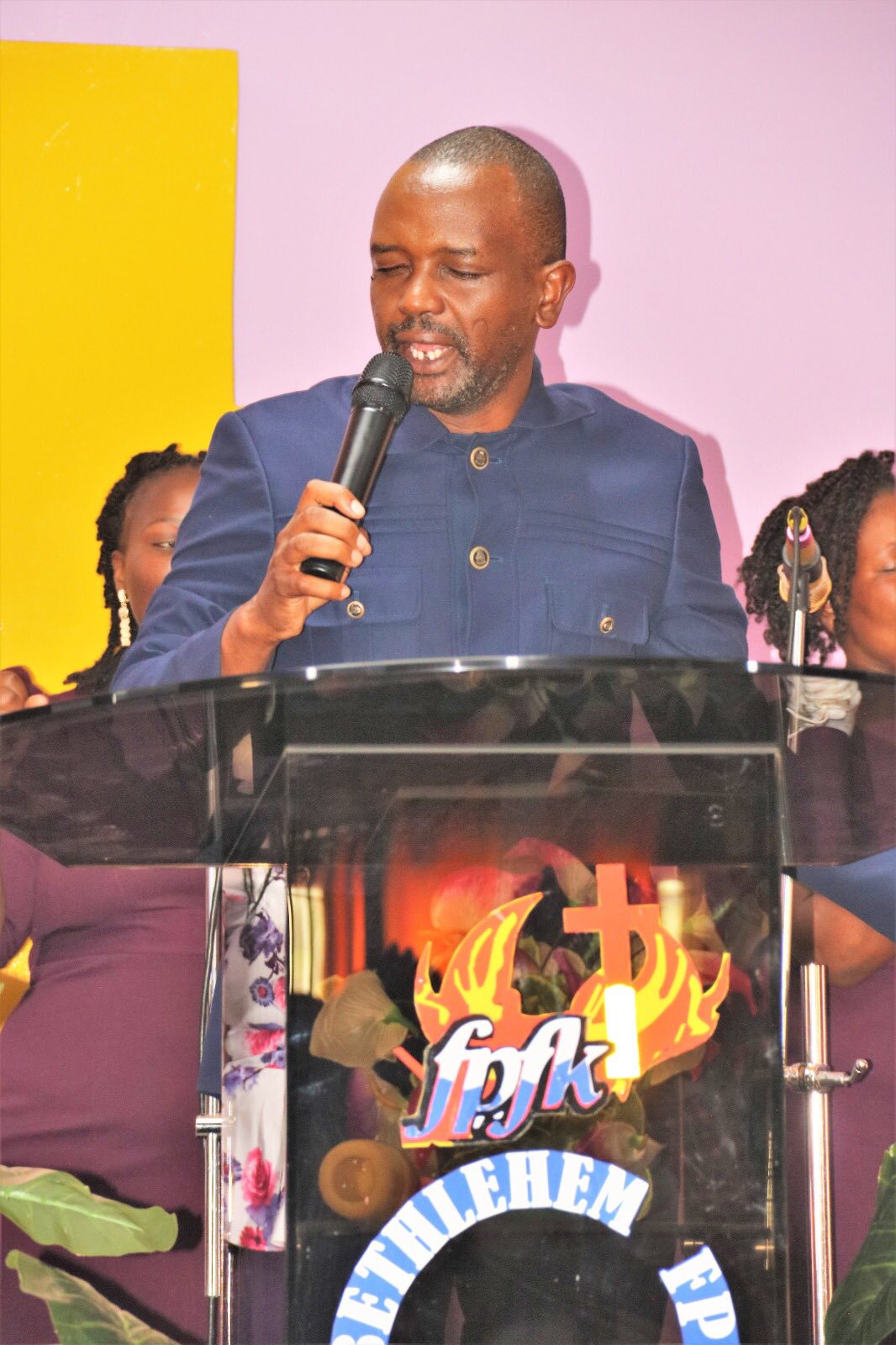
Becoming a Light in a Dark World
The world today often feels overshadowed by uncertainty, division, and hardship. Yet, in the midst of darkness, God calls His people to shine as lights. Jesus declared in Matthew 5:14, “You are the light of the world. A city set on a hill cannot be hidden.” This powerful truth reminds us that believers are meant to illuminate the path for others, offering hope, love, and guidance in times of struggle. Becoming a light in a dark world is not about perfection—it is about reflecting Christ’s presence wherever we go. Light brings clarity where there is confusion. When we walk in God’s truth, our lives become testimonies that point others toward Him. In workplaces, schools, families, and communities, we can shine by living with integrity, showing kindness, and speaking words of encouragement. Even small acts of compassion—listening to someone in pain, sharing resources with those in need, or offering a prayer—can pierce through the darkness and remind others of God’s love. Being a light also means standing firm in faith. Darkness often tries to overwhelm through fear, doubt, or temptation, but light cannot be overcome. As John 1:5 declares, “The light shines in the darkness, and the darkness has not overcome it.” When we remain rooted in prayer, scripture, and fellowship, we carry a strength that empowers us to resist negativity and inspire others to do the same. Our faith becomes a beacon, guiding others toward hope and truth. Ultimately, becoming a light in a dark world is about living out the gospel daily. It is choosing to forgive when it is hard, to serve when it is inconvenient, and to love when it feels undeserved. In doing so, we reflect the heart of Christ, who is the true Light of the world. As we shine, we not only transform our own lives but also bring healing, unity, and hope to those around us. In every act of love and every word of truth, we declare that darkness will never have the final word—God’s light will always prevail. ✨ This blog can be enriched with scripture references like Philippians 2:15 (“Shine among them like stars in the sky”) and testimonies of how believers have impacted their communities by living as lights.

Understanding Dreams & Visions
Understanding Dreams and Visions: Walking in the Will of God Throughout scripture, God often spoke to His people through dreams and visions. From Joseph’s prophetic dreams in Genesis to Peter’s vision in Acts, these divine encounters carried messages of guidance, warning, and hope. Even today, many believers experience dreams and visions that stir their hearts and raise questions about God’s will. Understanding these spiritual experiences requires discernment, humility, and a willingness to align them with God’s Word. Dreams and visions are not random; they can be windows into the spiritual realm. Sometimes they reveal God’s direction, encourage us in times of struggle, or prepare us for future challenges. However, not every dream is divine—some may simply reflect our daily thoughts or emotions. This is why discernment is crucial. Prayer, scripture, and wise counsel help us distinguish between what is from God and what is not. When we seek His guidance, He provides clarity and ensures that our steps remain aligned with His will. Walking in the will of God means responding to these revelations with faith and obedience. A dream or vision may call us to forgive, to serve, or to step into new opportunities. It may challenge us to let go of fear and trust God’s plan. When we act on His guidance, we experience transformation—not only in our own lives but also in the lives of those around us. Dreams and visions are not ends in themselves; they are invitations to deeper intimacy with God and greater participation in His mission. Ultimately, understanding dreams and visions is about cultivating a listening heart. God speaks in many ways, and when we remain open to His voice, we discover that His will is not hidden but revealed through His Spirit. As we walk in obedience, we find peace, direction, and purpose. Dreams and visions remind us that God is near, actively guiding His people, and calling us to live faithfully in His presence. ✨ This blog can be enriched with scripture references such as Joel 2:28 (“Your sons and daughters will prophesy, your old men will dream dreams, your young men will see visions”) and Proverbs 3:5–6 (“In all your ways acknowledge Him, and He will make your paths straight”).

Walking in The Wisdom of God
Wisdom is one of the greatest treasures a believer can seek. Unlike knowledge, which is the accumulation of facts, wisdom is the ability to apply truth in everyday life with discernment, humility, and grace. Scripture tells us in Proverbs 4:7, “Wisdom is the principal thing; therefore get wisdom. And in all your getting, get understanding.” Walking in the wisdom of God means living with clarity, making choices that honor Him, and allowing His Spirit to guide our steps. The wisdom of God begins with reverence. Proverbs 9:10 reminds us that “The fear of the Lord is the beginning of wisdom.” This fear is not about terror but about deep respect and awe for God’s holiness and authority. When we acknowledge Him as the source of all truth, we position ourselves to receive His guidance. Wisdom flows from intimacy with God—through prayer, meditation on His Word, and obedience to His commands. It is cultivated in quiet moments of reflection and strengthened in the challenges of daily life. Walking in wisdom also transforms relationships. God’s wisdom teaches us patience, kindness, and forgiveness. It helps us navigate conflicts with grace and build bridges instead of walls. In families, workplaces, and communities, wisdom enables us to speak with gentleness, act with integrity, and lead with humility. It is wisdom that allows us to discern when to speak and when to remain silent, when to act boldly and when to wait on the Lord. In this way, wisdom becomes a light that guides not only our own path but also the lives of those around us. Ultimately, walking in the wisdom of God is a lifelong journey. It requires humility to admit that we do not have all the answers and faith to trust that God does. As James 1:5 encourages, “If any of you lacks wisdom, let him ask of God, who gives to all liberally and without reproach, and it will be given to him.” When we seek His wisdom, we find peace in uncertainty, strength in weakness, and direction in confusion. Wisdom is not just about making good decisions—it is about living a life that reflects Christ, bringing hope and transformation to the world. ✨ This blog can be enriched with real-life testimonies of how God’s wisdom has guided individuals or communities, as well as practical steps for cultivating wisdom daily.

Building Community: How Small Groups Strengthen Faith
Building Community: How Small Groups Strengthen Faith Faith is not meant to be lived in isolation. At Bethlehem House of Bread Loitokitok, we believe that true spiritual growth happens when believers walk together, share life, and encourage one another. Small groups provide the perfect setting for this kind of fellowship. They are more than gatherings—they are communities where faith is nurtured, friendships are formed, and lives are transformed. Small groups create space for deeper connection. In a large congregation, it can be easy to feel unseen, but within a small group, every voice matters. Members share their joys, struggles, and testimonies, building trust and accountability. This intimacy allows believers to grow in authenticity, knowing they are supported and prayed for by brothers and sisters in Christ. Beyond fellowship, small groups strengthen faith through study and application of God’s Word. Discussions are interactive, allowing participants to ask questions, wrestle with truths, and apply biblical principles to daily life. This practical approach helps believers move from simply hearing the Word to living it out. In small groups, discipleship becomes personal, and spiritual growth becomes tangible. Small groups also empower believers to serve. Whether through community outreach, visiting the sick, or supporting one another in times of need, these groups become channels of God’s love in action. They remind us that the church is not just a place we attend but a family we belong to. By building community through small groups, we strengthen the body of Christ and shine His light more brightly in Loitokitok and beyond.

Finding Peace: The Power of Prayer in Troubled Times
Finding Peace: The Power of Prayer in Troubled Times Life often brings seasons of uncertainty—moments when challenges feel overwhelming, and peace seems far away. In such times, prayer becomes more than a spiritual discipline; it becomes a lifeline. Prayer is the bridge between human struggle and divine strength, reminding us that we are never alone, even in the darkest valleys. Through prayer, we invite God’s presence into our circumstances, and His peace begins to guard our hearts and minds. Prayer is powerful because it shifts our focus. Instead of being consumed by fear or anxiety, prayer helps us fix our eyes on God, who is greater than any storm. It is not about ignoring reality but about finding strength to face it. When we pour out our worries before Him, we discover a peace that surpasses understanding—a peace that steadies us when everything else feels uncertain. In troubled times, prayer also builds community. When believers come together to intercede, they share burdens, encourage one another, and remind each other of God’s promises. This collective prayer strengthens faith and creates unity, showing that we are stronger together. Whether whispered alone in a quiet room or spoken aloud in a gathering of believers, prayer connects us to God and to each other. Ultimately, prayer is the key to finding peace because it anchors us in God’s love. It transforms troubled times into opportunities for growth, trust, and deeper intimacy with Him. As we lean into prayer, we discover that peace is not the absence of problems but the presence of God in the midst of them. In every trial, His grace is sufficient, and His peace is available to all who seek Him. The Art of Forgiveness: Healing Wounds and Restoring Relationships Forgiveness is one of the most powerful yet challenging acts of love. When we are hurt, our natural response is often to hold on to pain, resentment, or anger. But forgiveness is not about excusing the wrong or forgetting the wound—it is about choosing freedom over bitterness. It is an intentional act of grace that allows healing to begin, both in our hearts and in our relationships. At its core, forgiveness is a reflection of God’s love for us. Scripture reminds us that we have been forgiven much, and therefore we are called to extend that same grace to others. When we forgive, we release ourselves from the heavy burden of anger and open the door to peace. Forgiveness does not erase the past, but it transforms how we carry it, turning pain into wisdom and scars into testimonies of God’s healing power. Forgiveness also restores relationships. Broken trust and wounded hearts can be mended when forgiveness is offered and reconciliation is pursued. It requires humility, patience, and sometimes difficult conversations, but the reward is renewed connection and deeper understanding. In families, friendships, and communities, forgiveness builds bridges where walls once stood, allowing love to flourish again. Ultimately, the art of forgiveness is about healing. It is a journey that begins with prayer, continues with courage, and ends with freedom. When we forgive, we not only heal our own wounds but also create space for others to heal. In troubled times, forgiveness becomes a light that restores hope, strengthens unity, and reminds us that with God’s grace, no relationship is beyond redemption. This blog can be enriched with scripture references like Colossians 3:13 (“Forgive as the Lord forgave you”) or Matthew 18:21–22, as well as real-life testimonies of reconciliation.